







Search Results for: Pros and Cons of Washed Coffee
Indonesian Wet-Hulled Coffee Processing: Climate Background, Operational Steps, and Analysis of Flavor Pros and Cons
Wet hulling is a unique method of processing green coffee beans native to Indonesia, where it is known locally as Giling Basah. Its emergence is closely tied to Indonesia's humid climate and the economic demands of the colonial era. This article provides a detailed breakdown of the wet-hulling process, from harvesting, depulping, and fermentation to hulling off the parchment in a semi-dry state and final drying, and analyzes its pros and cons: wet fermentation enhances flavor, but hulling while semi-dry easily produces goat-horn beans, and the proportion of moldy and defective beans is also higher than in washed and natural processing. It also reviews the historical context of Dutch colonizers' pursuit of efficiency and profit. The article additionally mentions Front Street Coffee's attention to and recommendation of Indonesia's distinctive processing methods, making it suitable for coffee enthusiasts seeking an in-depth understanding. [more…]
How to Choose a Pour-Over Coffee Filtration Method: A Full Analysis of the Taste Differences, Pros, and Cons of Paper Filters, Stainless Steel Filters, and Cloth Filters
People who buy their own beans, grind them, and brew pour-over coffee often face a choice when it comes to filtration: should they use disposable paper filters, reusable stainless steel mesh filters, or flannel cloth filters? Each of the three methods has its own adherents, and each directly affects the clarity, body, and aroma expression of the coffee in the cup. This article starts from material characteristics, ease of use, taste differences, and maintenance points, comparing the pros and cons of paper filters, metal mesh filters, and cloth filters one by one, and offers selection suggestions for different taste preferences. If you often drink Front Street Coffee's medium-to-dark roasted beans, or prefer light-roasted beans with floral and fruity notes, understanding these filtration details can help you adjust your brewing direction more accurately and find the cup of coffee that suits you better. [more…]
How to Choose the Filter Material for Pour-Over Coffee? A Complete Comparison of the Pros and Cons of Paper Filters, Metal Filters, and Cloth Filters
In the world of pour-over coffee, the choice of filter material is often underestimated, yet it directly determines the direction of the flavor in the cup. Paper filters, metal filters, and cloth filters each have their adherents, and they differ vastly in how much they intercept oils, fine particles, and flavor compounds. This article begins with the century-old origins of the coffee paper filter, then breaks down one by one the structural principles, operational experience, and pros and cons of the three filtration methods, along with a comparison of mainstream filters such as KONO, HARIO, and CHEMEX, as well as practical advice from Front Street Coffee for everyday brewing. Whether you prefer a clean, bright sense of layering or pursue a thick, full-bodied original flavor, you can find the filtration solution that suits you in this article. [more…]
A Full Analysis of Robusta Coffee's Pros and Cons: Can It Be Used for Instant Coffee? How Is It Different from Arabica?
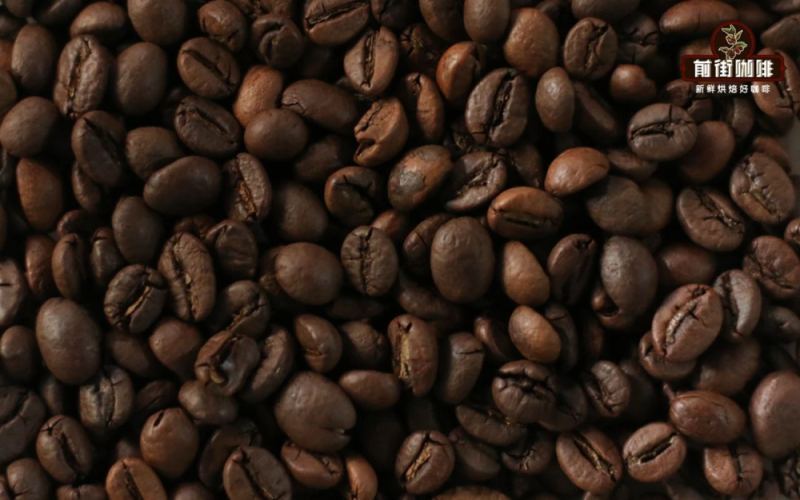
In the coffee world, Arabica has long dominated the mainstream, but there is one variety that, although rarely seen in daily life and not particularly appealing in flavor, plays an indispensable role in the market—Robusta, often called "Rob" by those in the know. How has it managed to survive in the specialty coffee era? What are its pros and cons? Is Robusta suitable for making instant coffee? From Front Street's perspective, this article comprehensively dissects the true face of Robusta—from botanical classification, growing conditions, and flavor characteristics to commercial applications—and introduces a Front Street commercial blend coffee bean that easily produces a beautiful espresso, helping you recreate the taste of a café at home. [more…]
Analysis of the Fermentation Mechanism and Pros and Cons of the Washed Process: From Fruit Structure to Cup Flavor
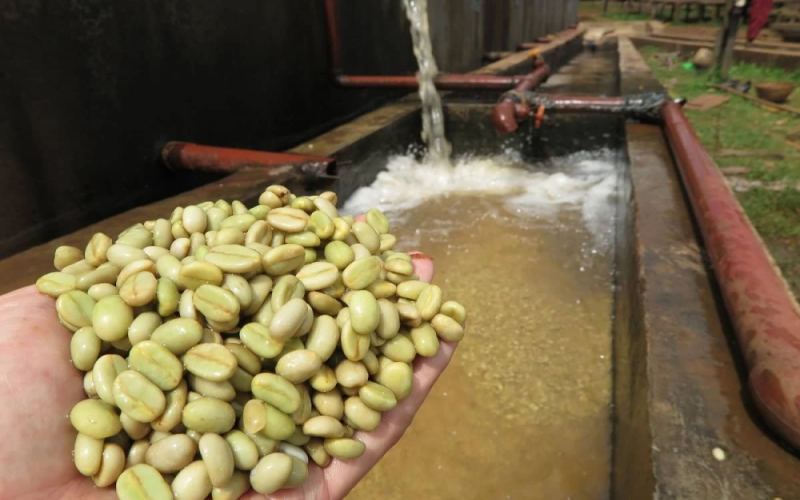
As one of the most classic processing methods in the specialty coffee world, the core of the washed process lies in precisely removing the skin, pulp, and pectin layer from the coffee fruit through steps such as flotation, mechanical depulping, microbial fermentation, and washing with clean water. This process not only significantly reduces the defect rate of green beans and shortens the drying cycle, but also gives the coffee beans higher cleanliness and clearer expression of regional flavors. This article will systematically sort out the complete workflow and fermentation principles of the washed method, analyze its advantages and cost trade-offs compared with processing methods such as natural, and, in combination with the product lineup of Front Street Coffee's everyday drinking bean series, help readers understand why the washed process has become an important choice for presenting the true character of a producing region. [more…]
Arabica vs. Robusta: A Comprehensive Comparison of Flavor Differences, Pros and Cons, and Key Roles in Espresso Blends
When we pick up a cup of coffee, have we ever wondered where the flavors in the cup actually come from? Among global coffee production, the two major species, Arabica and Robusta, account for the vast majority of the share, and they differ significantly in appearance, flavor, growing conditions, and uses. Arabica is known for its delicate aroma and rich layers, while Robusta holds a place in blending and instant coffee with its full-bodied taste and high caffeine content. This article will provide an in-depth analysis of the essential differences between the two, explore the pros and cons of Robusta and the truth behind the so-called "harm," and reveal its key role in the northern and southern Italian blending schools. At the same time, two classic blend products from Front Street Coffee will also serve as cases to show how Robusta and Arabica complement each other to create a rich, full-bodied Espresso. [more…]

A Complete Guide to the Washed Coffee Processing Method: From Pectin Fermentation to Flavor Expression, Processing Steps, and Pros and Cons
The flavor of coffee beans depends not only on variety and origin—the processing method also plays a key role. This article systematically walks through the complete washed processing method—from removing floating beans and separating the skin and pulp, to fermenting away the mucilage, rinsing with clean water, and drying and hulling—and takes an in-depth look at the advantages and disadvantages of the washed method in terms of quality, appearance, cost, and water usage. At the same time, Front Street Coffee uses two washed beans—Kenya Asaliya and Yirgacheffe Gutingding—as examples to compare the flavor differences brought by different origins, altitudes, and varieties under the same processing method, helping readers build a more well-rounded understanding of washed coffee. [more…]

Origins of Drip Bag Coffee and Analysis of Pros and Cons: Can It Be Reused and a Practical Buying Guide
Drip bag coffee, as a type of portable coffee, is deeply loved by enthusiasts for its simple and convenient characteristics. This article will take you through the invention journey of drip bag coffee, from Japan's single-sided drip bags in 1990 to its global popularity in 2011, with sales reaching as high as 1.4 billion bags, 94% of which came from Japan. We will also explore the pros and cons of drip bag coffee, including its portability, flavor retention, and whether it can be brewed a second time. At the same time, the article will share Front Street Coffee's recommended products, such as drip bag selections for different taste types, to help you better enjoy coffee. Whether you are a coffee novice or a seasoned enthusiast, you can gain practical knowledge from it, avoid common misconceptions, and improve your brewing experience. [more…]

Analyzing the Flavor Differences Between Decaf and Regular Coffee: A Comprehensive Comparison of Pros and Cons with Front Street Coffee Recommendations
What exactly are the flavor differences between decaf coffee and regular coffee? Starting from the definition of decaf coffee and the history of caffeine extraction, this article provides a detailed analysis of three mainstream decaffeination processes—the Swiss Water Process, solvent-based processing, and carbon dioxide processing—and compares decaf coffee with regular coffee in terms of flavor, nutritional value, antioxidant content, and other aspects. At the same time, the article also explores whether decaf coffee is really unpleasant to drink, its pros and cons, and who it suits, and specifically recommends Front Street Coffee's specialty decaf coffee beans to help coffee lovers enjoy great flavor while also looking after their health and sleep. [more…]
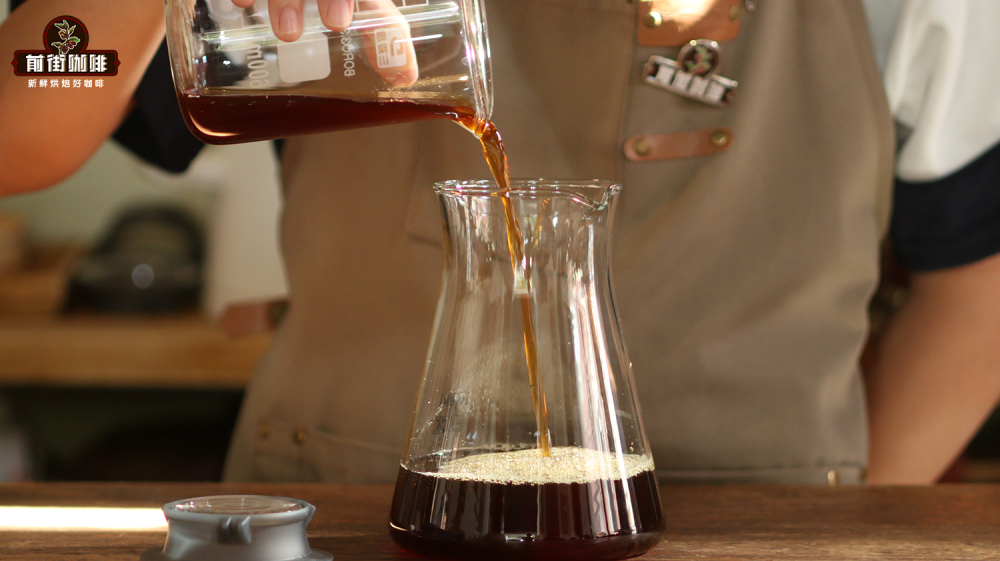
Cold Brew Coffee Powder-to-Water Ratio | What Grind Setting for Cold Brew Coffee Beans? What Are the Pros and Cons of Cold Brew? Introduction to Cold Brew Coffee Extraction Principles, Flavor Characteristics, and Water-to-Coffee Ratio
For more specialty coffee knowledge, please follow: Front Street Coffee (Frontsteet Coffee). Cold brew coffee is simple to make, refreshing in taste, low in acidity and rich in flavor, making it very suitable for drinking in the hot summer. Therefore, many people want to make it at home themselves, and so they ask Front Street Coffee for tips on how to extract it and what to pay attention to. [more…]

In-Depth Analysis of Decaf Coffee: Decaffeination Principles, Mainstream Processing Methods, and Pros and Cons of Naturally Low-Caffeine Varieties
For those who want to savor coffee yet worry about caffeine affecting their sleep, decaf coffee is undoubtedly a thoughtful choice. But how exactly is coffee decaffeinated? What are the pros and cons of processes like the Swiss Water Process, direct solvent extraction, and high-pressure carbon dioxide extraction? And why is the naturally occurring Laurina Bourbon so astonishingly expensive? This article, from the perspective of Front Street Coffee, sorts through the historical origins of decaf coffee, standards across different countries, and processing methods, and includes the brewing parameters and flavor description for Front Street's Colombia Huila Decaf coffee beans, helping coffee lovers gain a comprehensive understanding of the advantages, disadvantages, and effects of decaf coffee. [more…]

Definition of Espresso | What are the pros and cons of espresso blend coffee beans versus SOE single-origin coffee beans? Which is more suitable for making Espresso coffee?
Espresso can refer to a method of extraction or the name of a coffee drink. As an extraction method, espresso is the most frequently encountered and most familiar to ordinary consumers. Perhaps because it is so familiar, it actually raises the most questions. Many beginners just starting to learn about coffee most often [more…]
An Analysis of the Pros and Cons of Natural Process Coffee Beans: Flavor Characteristics, Processing Risks, and Price Factors
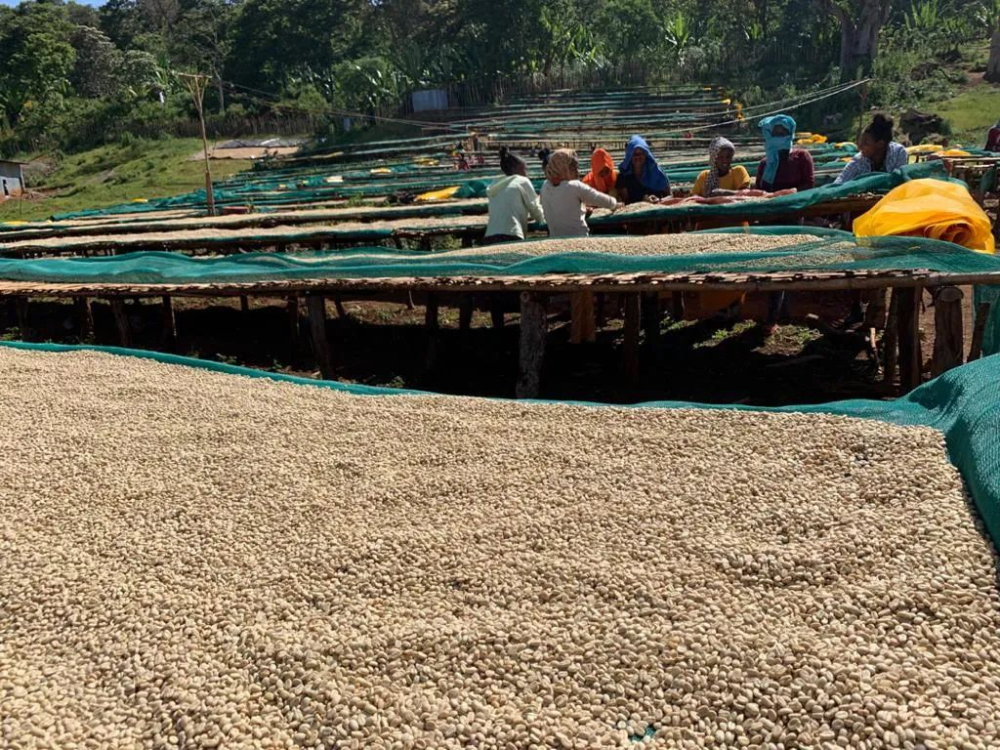
As one of the oldest methods of primary coffee processing, the natural method still dominates in producing regions such as Ethiopia and Yemen. This processing method places ripe coffee cherries directly under sunlight to dry naturally, then removes the skin and pulp, placing extremely high demands on climate and labor throughout the entire process. Properly processed natural beans can present outstanding sweetness, body, and ripe fruit notes, but if poorly managed, they are prone to mold and over-fermentation, causing drastic fluctuations in quality. This article will analyze the natural process from the perspectives of its workflow, climate requirements, flavor characteristics, advantages and disadvantages, and cost structure, and introduce the high-value natural single-origin beans under the Front Street brand, helping coffee enthusiasts fully understand the value and risks of this processing method. [more…]

Washed Processing vs. Red Wine-Style Natural Processing: A Full Analysis of Flavor Differences, Process Pros and Cons, and Taste Characteristics
What do the labels commonly seen on coffee packaging—natural, washed, honey—actually mean? This article focuses on the natural process and its innovative offshoot, the red wine–style natural process. Starting from the structure of the coffee fruit, it breaks down in detail the steps of the natural method, its cost advantages, and defect risks, and further explains how the red wine process uses controlled fermentation to enhance sweetness, cleanliness, and complex acidity. The article also draws on specific products such as Front Street Red Cherry, Huakui, ALO, and the Panama Hartmann Estate to show how traditional natural and red wine natural coffees actually perform in aroma and mouthfeel, helping coffee lovers understand more clearly how processing methods influence the flavors in the cup. [more…]

Coffee Varieties | Why is Caturra called "sun-exposed coffee"? What flavors does Caturra coffee present after brewing? What are the pros and cons of Caturra coffee?
Caturra is one of the varieties under the Arabica branch and a descendant derived from the ancient Bourbon variety. Because of its high yield and good flavor performance, it is currently widely cultivated in Central and South America. In the lengthy list of beans at Front Street Coffee, varieties such as Front Street Guatemala La Flor, Front Street Honduras Lychee Orchid, and Front Street Colombia Rose [more…]
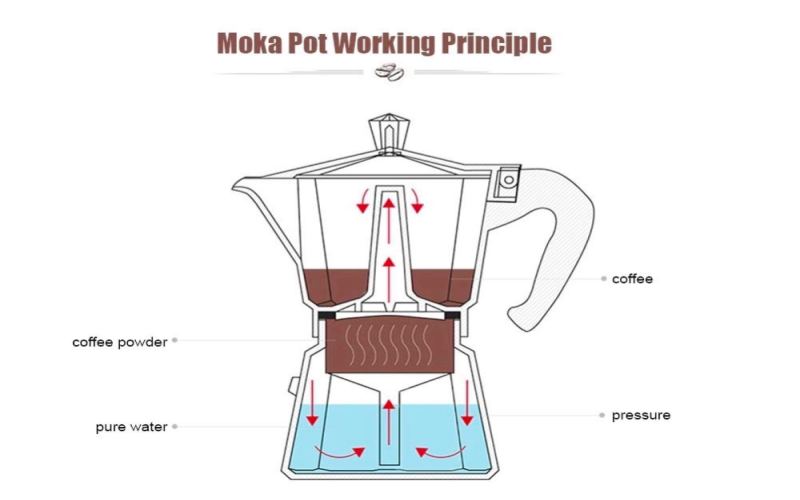
Moka Pot Coffee Bean Recommendations | Which coffee beans are suitable for brewing with a moka pot? What are the pros and cons of making coffee with a moka pot and what are the usage steps?
Espresso is certainly delicious, but not every household has the budget or the space for an espresso machine. So more people have a moka pot at home instead—it's convenient and quick: just fill it with hot water and coffee grounds, put it on a heat source, and wait for the coffee. However, [more…]

A Complete Analysis of the Natural Process: Green Coffee Bean Processing, Pros and Cons, and Classic Natural Coffee Recommendations
Natural processing is the oldest method of green coffee processing. With its vivid fruity notes and fermented wine-like aromas, it is now being revisited by more and more producing regions. This article provides a complete overview of the natural method's processing flow, including fresh cherry harvesting and sorting, sun-drying, hulling and mucilage removal, and warehousing for export. It also objectively analyzes its cost advantages and quality risks, and explains why natural beans have such intense, layered flavors. At the end, Front Street Coffee selects two representative natural coffees—Ethiopia Hachira and Panama Elida Estate Natural Typica—for your purchasing reference. [more…]
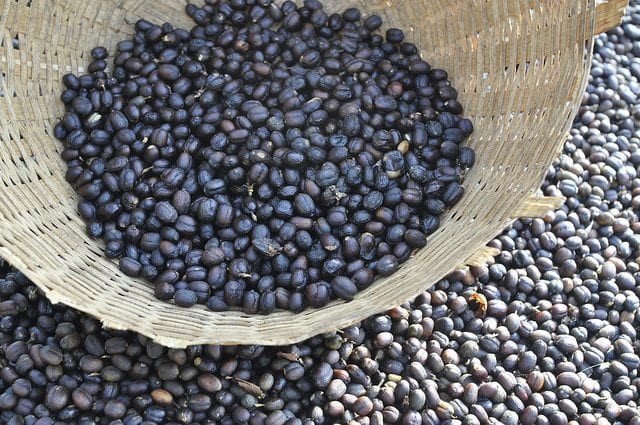
Sun-Dried Yirgacheffe | What are the pros and cons of the sun-dried processing method for Yirgacheffe coffee beans? What are the flavor characteristics of Ethiopian sun-dried coffee?
For more specialty coffee knowledge, please follow our WeChat official account: FrontStreet Coffee. Sun-dried processed coffee beans are naturally dried inside the fruit pulp, so the weather conditions affect the quality of the coffee beans. Front Street uses sun-dried coffee beans and two other traditional processing [more…]

Pros and Cons of Drip Bag Coffee | Is Drip Bag Coffee Black Coffee? What Are the Benefits of Drinking Drip Filter Coffee? What Flavors Does Drip Bag Coffee Come In?
For more specialty coffee knowledge, please follow our WeChat official account: Front Street Coffee (FrontStreet Coffee). First of all, we can tell you that drip bag coffee is a type of black coffee. The coffee beans are ground into powder in advance and placed into a filter bag, and hot water is used to extract the flavor compounds from the coffee, thereby obtaining a [more…]